Glycol freeze protection is essential for protecting commercial HVAC systems from freezing temperatures. During Midwest winters, exposed piping, chilled water coils and hydronic heating systems face an increased risk of freezing. Without proper freeze protection, facilities can experience burst pipes, damaged coils, pump failure, costly repairs and unexpected downtime. Glycol freeze protection uses an antifreeze solution to lower water's freezing point in closed-loop heating and cooling systems, helping provide protection when temperatures drop below freezing. The right concentration depends on the lowest expected temperature and whether the system needs to remain in normal operation or can remain dormant. Choosing the correct glycol type, dilution water and inhibitor package, and leaving adequate space for expansion where burst protection is intended, supports effective freeze protection. Regular testing also helps confirm that the solution will perform as expected.
What Is Glycol Freeze Protection?
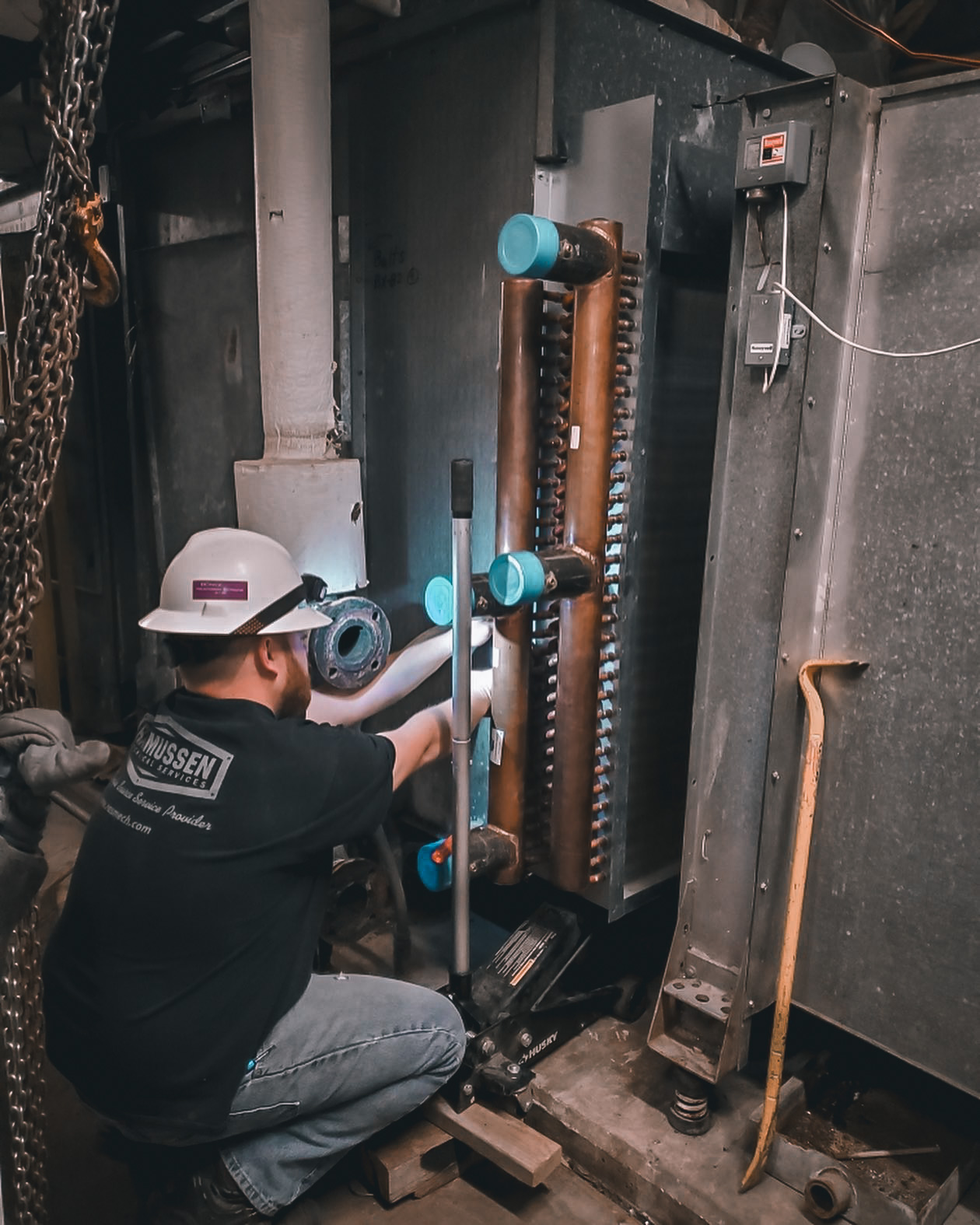 Glycol freeze protection is the process of adding glycol-based antifreeze to water in closed-loop HVAC systems to prevent freezing and reduce the risk of equipment damage. Glycol lowers the freezing point of the water mixture. This allows heating and cooling systems to operate at temperatures that would otherwise cause plain water to freeze.
Commercial and industrial facilities commonly use glycol freeze protection in:
• Chilled water systems with exposed piping or cooling coils
• Air handling units with coils exposed to outside air
• Snowmelt systems that circulate heated fluid through outdoor surfaces
• Process cooling systems that operate in low-temperature environments
• Hydronic heating systems vulnerable to freezing during power outages
Without adequate glycol freeze protection, frozen water can expand inside equipment and cause significant damage.
Propylene Glycol vs. Ethylene Glycol for Freeze Protection
Two common types of glycol are used for HVAC freeze protection: propylene glycol and ethylene glycol. Both lower the freezing point of water, but they have different properties and applications.
Propylene Glycol
Propylene glycol has lower toxicity than ethylene glycol and is commonly used in commercial HVAC systems where accidental exposure is a concern. It is frequently selected for facilities such as:
• Food processing plants
• Hospitals and healthcare facilities
• Schools and commercial buildings
Although propylene glycol is commonly preferred in these environments, its higher viscosity can increase pumping requirements and reduce heat transfer efficiency compared to water.
Ethylene Glycol
Ethylene glycol typically provides better heat transfer performance and lower viscosity than propylene glycol at comparable concentrations. However, ethylene glycol is toxic and requires careful handling. It is generally used in industrial applications where the risk of contact with people, food or potable water can be effectively controlled.
Important: Never substitute automotive antifreeze for industrial HVAC glycol. Commercial HVAC systems require properly inhibited glycol solutions designed for their equipment and operating conditions.
Glycol Freeze Protection vs. Burst Protection
Understanding the difference between freeze protection and burst protection is one of the most important steps when selecting a glycol concentration. Although the terms are sometimes used interchangeably, they serve different purposes.
What Is Freeze Protection?
Freeze protection prevents ice crystals from forming in the glycol solution at the specified design temperature. This helps keep the fluid circulating through pipes and equipment. Freeze protection is necessary when a system must continue operating during freezing conditions. Examples include:
• Active hydronic heating systems
• Industrial process cooling loops
• Snowmelt systems operating during winter
The glycol concentration should be selected using the manufacturer's freeze protection chart and an appropriate temperature safety margin.
What Is Burst Protection?
Burst protection allows some ice crystals to form while limiting expansion that could damage pipes or equipment. The fluid may become slushy and unable to circulate normally, but the system can potentially avoid mechanical damage. Burst protection may be appropriate for systems that remain shut down during freezing conditions. Because burst protection generally requires a lower glycol concentration than full freeze protection, it can reduce glycol costs and improve heat transfer performance.
The key question: Does your HVAC system need to operate during freezing temperatures, or does it only need protection from physical damage while shut down?
How Much Glycol Is Needed for Freeze Protection?
The correct glycol concentration depends on several factors, including the glycol type, lowest anticipated temperature and required level of protection. A system operating through winter may need a higher concentration than one that remains idle. For example, a glycol solution designed to protect against temperatures near 0°F will have different concentration requirements than one designed for temperatures approaching -30°F. There is no single glycol percentage that works for every HVAC system. To determine the correct glycol freeze protection concentration:
1. Identify the lowest temperature the system could experience.
2. Determine whether freeze protection or burst protection is required.
3. Select the appropriate industrial-grade glycol product.
4. Review the manufacturer's concentration and temperature chart.
5. Test the final mixture to verify the actual protection level.
Using the correct concentration helps protect equipment without unnecessarily reducing system efficiency.
Why Too Much Glycol Can Hurt HVAC Performance
Adding more glycol may seem like an easy way to improve freeze protection, but excessive concentrations can negatively affect HVAC system performance. Potential problems include:
• Reduced heat transfer: Glycol solutions generally transfer heat less efficiently than plain water.
• Increased pumping costs: Higher viscosity can require additional pump energy.
• Reduced equipment capacity: Chillers and heat exchangers may operate less efficiently if glycol concentration is not considered in system design.
• Higher maintenance costs: Excess glycol increases chemical costs and may create unnecessary operating expenses.
The goal is not to use the highest possible glycol concentration. It is to use the correct concentration for the equipment and operating conditions. Always follow the glycol manufacturer's recommendations and confirm that your system can accommodate the selected mixture.
How to Test Glycol Freeze Protection in HVAC Systems
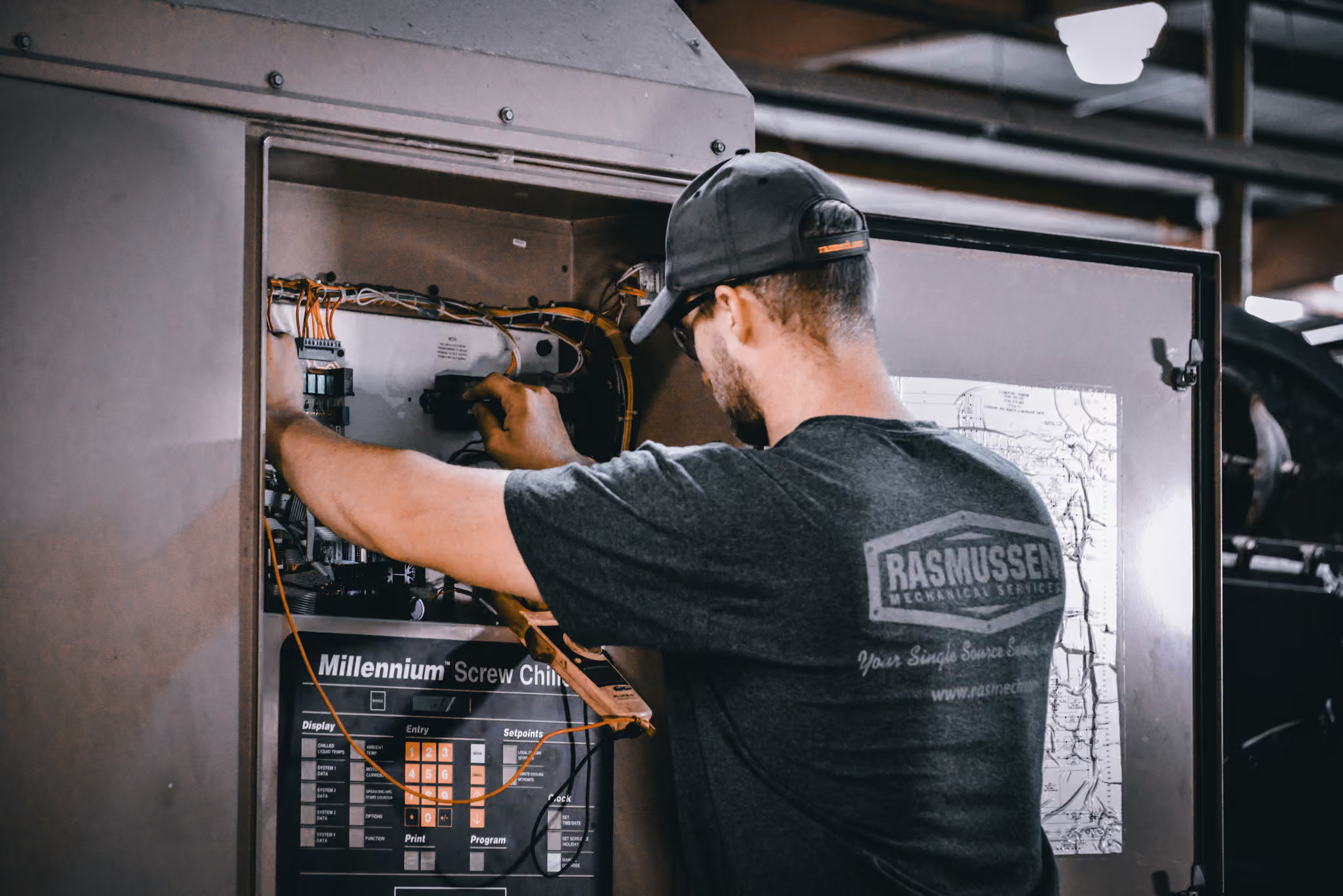 Regular testing is essential for maintaining effective glycol freeze protection. Over time, glycol solutions may become diluted or contaminated. Corrosion inhibitors can also lose effectiveness, leaving equipment vulnerable even when the glycol concentration appears sufficient. Commercial and industrial glycol systems should generally be tested at least once per year, preferably before winter. A comprehensive glycol system test should evaluate the following:
1. Glycol Concentration: A refractometer can help determine glycol concentration and verify the mixture's freezing point. The instrument must be calibrated for the specific glycol product.
2. pH Levels: Changes in pH can indicate glycol degradation or other water quality problems. Degraded glycol can contribute to acidic conditions that increase corrosion risks.
3. Corrosion Inhibitor Levels: Industrial glycol solutions contain corrosion inhibitors designed to protect system components. These inhibitors can become depleted over time, making regular testing important for long-term equipment reliability.
4. Fluid Appearance and Contamination: Cloudy fluid, sludge or unusual discoloration may indicate contamination, corrosion or other system problems. Identifying these issues early can help facilities avoid expensive repairs and unplanned downtime.
How Automatic Fill Valves Can Reduce Glycol Freeze Protection
One commonly overlooked issue in glycol systems is dilution caused by automatic makeup water. When a closed-loop system is connected to an automatic city-water fill valve, leaks may be replaced with plain water rather than a properly mixed glycol solution. Over time, this can reduce glycol concentration and compromise freeze protection. For example, a system initially filled with a 35% glycol mixture could gradually lose protection if repeated water additions dilute the solution. A glycol feeder package can help prevent this problem by supplying premixed glycol to the closed-loop system. This helps maintain a more consistent concentration and reduces the risk of unnoticed dilution. For additional information on maintaining closed-loop systems, read our Closed Loop Water Treatment: A Complete Guide.
[Getting ready for winter? Check out: Sub-Zero Temperatures And Protecting Your Facility and Winter Warning: Preparing Your Facility for the Winter Weather]
Glycol Freeze Protection FAQs
What is the best glycol concentration for freeze protection?
The ideal glycol concentration depends on the lowest expected temperature, glycol type and whether the system requires freeze or burst protection. Always consult the manufacturer's concentration chart.
How often should glycol freeze protection be tested?
Glycol systems should generally be tested at least once per year. Testing before winter helps identify inadequate concentration, contamination and depleted corrosion inhibitors.
How long does glycol last in an HVAC system?
Glycol lifespan varies depending on operating temperatures, system conditions, maintenance and inhibitor chemistry. Regular testing helps determine when treatment or replacement is necessary.
Can you mix propylene glycol and ethylene glycol?
Mixing different glycol types or formulations is generally not recommended without manufacturer approval. Incompatible additives may affect corrosion protection, and mixed solutions can make concentration testing more difficult.
Does glycol reduce chiller efficiency?
Yes. Glycol solutions generally transfer heat less effectively than water and can increase pumping requirements. Proper system design and glycol concentration help minimize these effects. For more ways to keep your chiller efficient, see 10 Chiller Maintenance Hacks Your Facility Needs.
Can glycol freeze in HVAC pipes?
Yes. If temperatures fall below the solution's rated freeze point, ice crystals may begin forming. Insufficient glycol concentration can leave pipes and coils vulnerable to damage.
Protect Your HVAC System With Proper Glycol Freeze Protection
Effective glycol freeze protection helps prevent frozen pipes, damaged coils and costly HVAC repairs during Midwest winters. Choosing the right concentration of glycol heat transfer fluid is essential: too little may leave equipment vulnerable, while excess concentration can increase viscosity, reduce heat transfer and raise energy costs. Regular testing helps confirm adequate freeze protection and proper inhibitor levels, while routine water treatment helps prevent corrosion and leaks. Rasmussen Mechanical Services provides glycol testing, maintenance and service for commercial and industrial facilities across Iowa, Nebraska, South Dakota, Colorado and Kansas. Schedule service before winter to help your system provide adequate freeze protection when temperatures drop.