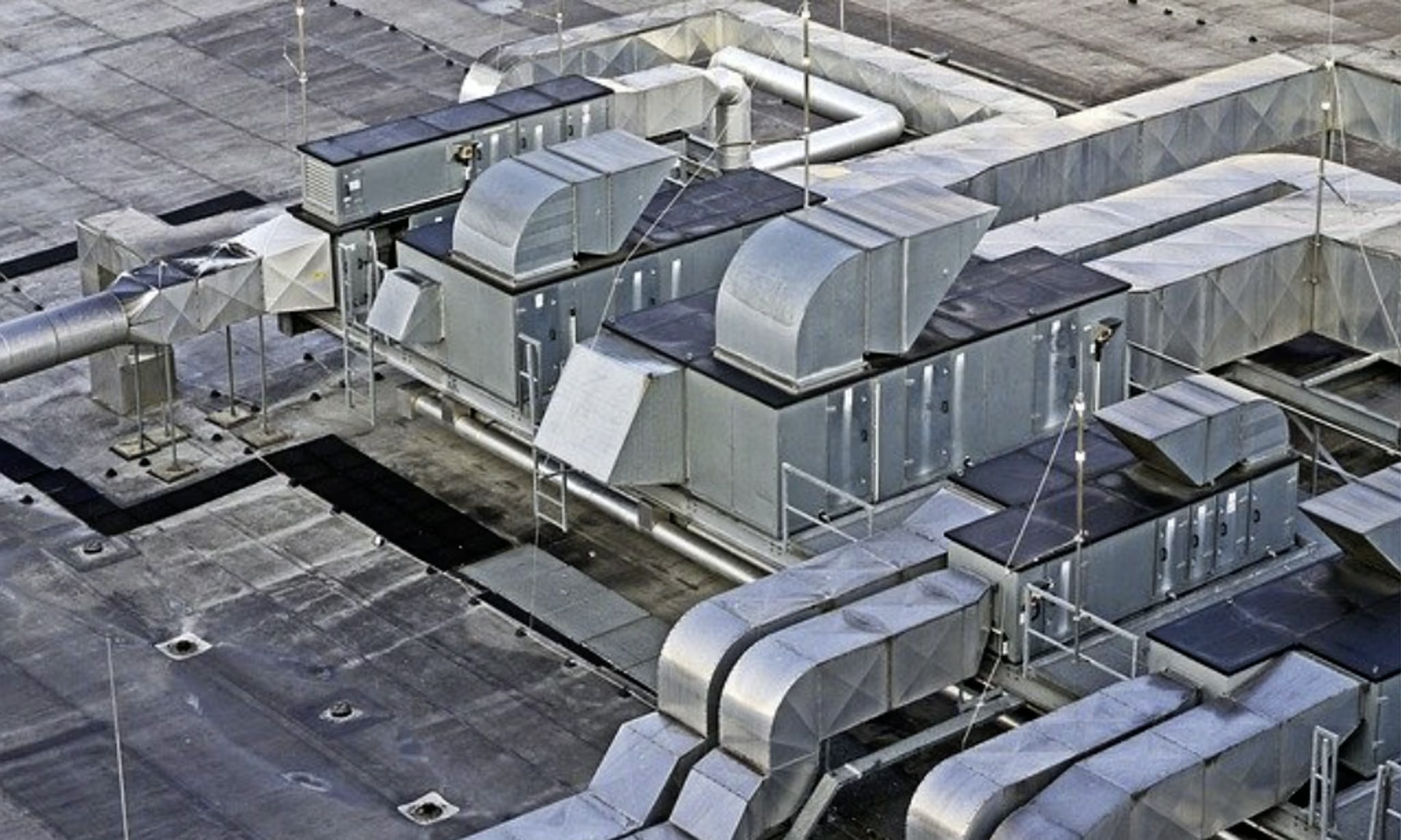
It's a question every facility manager eventually asks, usually while standing beside a rooftop unit making a noise it definitely didn't make last year: How much life does this thing have left? Commercial HVAC equipment is a major building investment. Replacing a unit too early can waste money, while waiting for it to fail can mean emergency repairs, unexpected downtime, and uncomfortable occupants. Understanding the commercial HVAC lifespan helps you plan ahead. Although every system ages differently, its type, maintenance, installation, operating hours, and environment all affect how long it lasts—and when it makes sense to repair or replace it.
What Is the Average Commercial HVAC Lifespan?
According to ASHRAE (the American Society of Heating, Refrigerating and Air-Conditioning Engineers), commercial HVAC equipment has different expected lifespans depending on the type of system. The following median service life estimates provide a useful starting point for facility managers.
• Rooftop Units: 15 years
• Air-to-Air Heat Pumps: 15 years
• Water-to-Air Heat Pumps: 19 years
• Reciprocating Chillers: 20 years
• Centrifugal and Absorption Chillers: 23 years
• Air-Cooled Condensers: 20 years
• Base-Mounted Pumps: 20 years
• Firetube Boilers: 25 years
• Watertube Boilers (Hot Water / Steam): 24 / 30 years
• Cast Iron Boilers (Hot Water / Steam): 35 / 30 years
Source: ASHRAE median service life data.
Keep in mind that these numbers represent the median, not an expiration date. Some systems last significantly longer, while others fail well before reaching their expected lifespan. A well-maintained boiler might operate reliably for 30 years or more. Meanwhile, a neglected rooftop unit could experience major problems before its tenth birthday. The difference often comes down to how the equipment is maintained and operated.
What Affects Commercial HVAC System Lifespan?
Imagine two identical rooftop units installed on the same day. Ten years later, one is still running efficiently while the other has already needed multiple major repairs. What happened? In many cases, the answer is preventive HVAC maintenance. Dirty coils force compressors to work harder. Clogged filters restrict airflow. Poor water treatment allows scale and corrosion to develop inside boilers and chillers. These problems rarely cause immediate failure. Instead, they gradually increase wear until major components begin breaking down.
Other factors that affect HVAC equipment lifespan include:
• Installation quality: Improper refrigerant charge, poor piping or installation mistakes can create problems throughout the equipment's life.
• Equipment sizing: Oversized systems may short cycle, placing additional stress on compressors and other components.
• Operating hours: Equipment running around the clock generally experiences more wear than systems operating during standard business hours.
• Environmental conditions: Dust, corrosive environments and extreme Midwest temperatures can accelerate deterioration.
The good news? Many of these factors are manageable. Consistent maintenance, proper water treatment and well-adjusted controls can help extend equipment life while improving overall performance.
How Do You Know When It's Time to Replace HVAC Equipment?
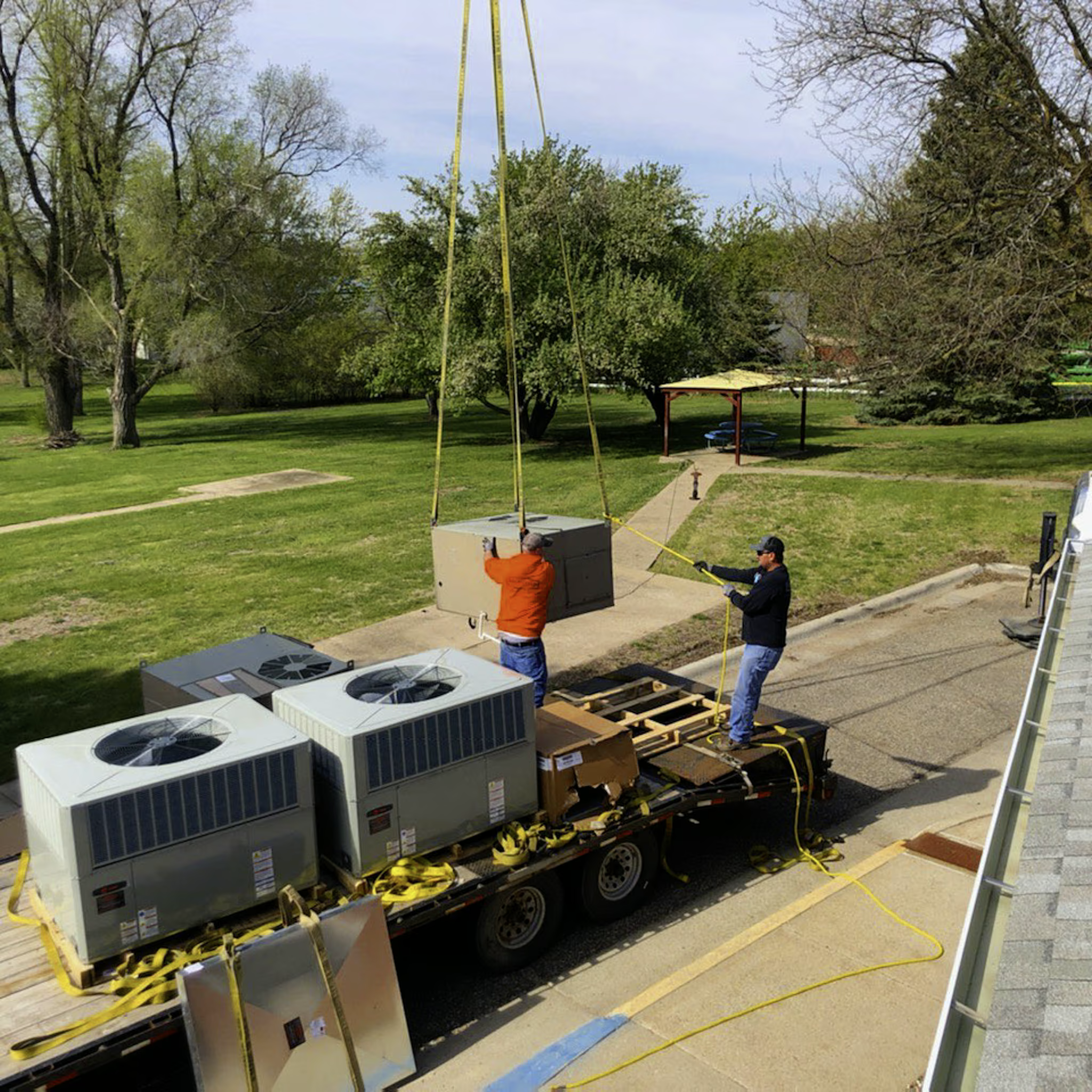 Just because your rooftop unit is 16 years old doesn't mean you need to replace it tomorrow. Age is important, but equipment condition and performance usually tell a more complete story. Here are some warning signs worth paying attention to.
Frequent and Expensive Repairs
Occasional repairs are expected. However, when equipment requires service every few months, those costs can quickly add up. If a major repair approaches a significant portion of the replacement cost, it's worth evaluating both options.
Increasing Energy Bills
Older HVAC equipment often becomes less efficient as components wear. If energy consumption continues increasing without major changes in building usage, your system may be working harder than necessary.
Difficulty Finding Replacement Parts
As equipment ages, manufacturers may discontinue certain components. Older systems using refrigerants such as R-22 can also become more expensive to maintain.
Inconsistent Building Temperatures
Hot spots, cold spots and humidity problems may indicate that your HVAC system is struggling to maintain comfortable conditions.
Major Component Failures
Repeated compressor failures, boiler tube leaks or damaged heat exchangers may indicate more serious equipment problems. Some failures also present safety concerns that require immediate attention.
When several of these issues occur together, it may be time to start planning a replacement rather than continuing to invest in repairs.
How to Extend the Life of Commercial HVAC Equipment
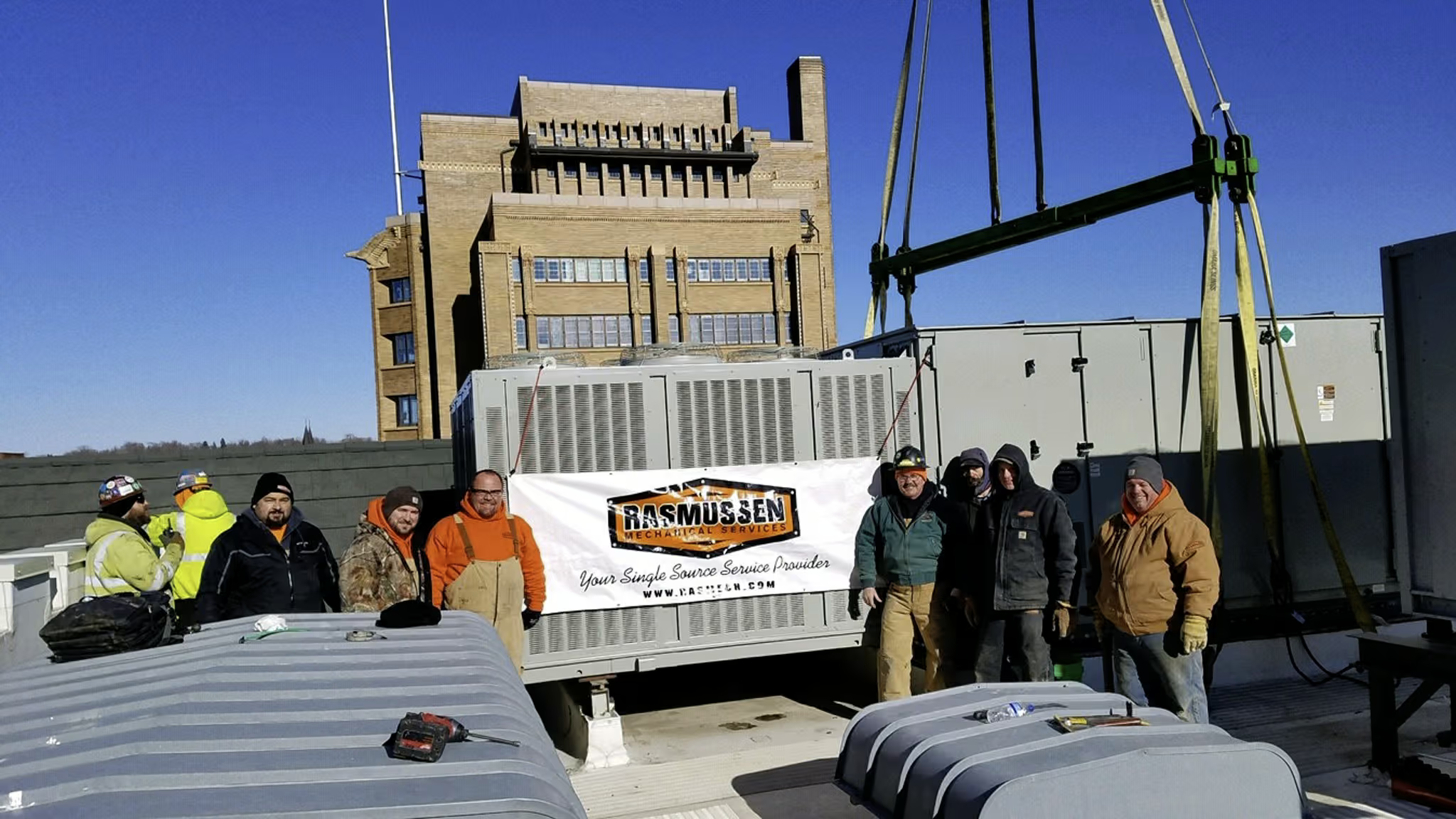 One of the best ways to maximize your commercial HVAC equipment lifespan is to address small problems before they become major repairs. Preventive maintenance helps technicians identify worn components, airflow restrictions and other issues that could shorten equipment life. A good maintenance program should include regular equipment inspections, cleaning, lubrication where required and performance testing. For boilers and water-cooled systems, proper water treatment is equally important. Scale buildup and corrosion can reduce efficiency and eventually damage expensive components. Building automation and HVAC controls can also make a difference. When systems operate according to actual building demand, they can avoid unnecessary runtime and excessive cycling. While no maintenance program can make equipment last forever, consistent attention can help you get more value from your investment.
Why Planning HVAC Replacements Saves Money
The best time to replace commercial HVAC equipment isn't necessarily when it stops working. Planning ahead gives you time to compare options, budget for upgrades, and avoid an emergency purchase during peak heating or cooling season. Start by creating an inventory of your building's major HVAC equipment. Record each unit's age, condition, maintenance history, energy use, and recent repair costs. Comparing these details with typical equipment lifespans can help identify systems that may need replacement in the coming years. A replacement plan also lets facility managers evaluate the key factors that affect a commercial HVAC lifespan, including the system's operation, usage patterns, and maintenance needs. Ask an HVAC professional to assess whether an aging AC unit or air conditioner is still performing efficiently, and whether an undersized unit, improper installation, refrigerant leaks, or restricted airflow are placing unnecessary strain on the AC system. A thorough evaluation can include the outdoor unit, air quality, and electrical connections; technicians may tighten electrical connections and check for wear and tear during routine service. Environmental conditions matter, too. Dusty environments, harsh weather conditions, high humidity, and extreme temperatures can significantly reduce equipment life. Regular cleaning and scheduled inspections help limit damage and protect unit performance. Smart thermostats and building controls can reduce avoidable runtime, while choosing energy-efficient replacement equipment may provide long term benefits compared with older models. With careful planning and professional installation, businesses can make informed decisions and support longer lifespans for their HVAC equipment.
Commercial HVAC Equipment Lifespan FAQs
How long does a commercial rooftop unit last?
Commercial rooftop units have a median service life of approximately 15 years, according to ASHRAE. Regular maintenance, correct sizing, and proper operation may help extend a unit's lifespan. Changing air filters on a regular schedule, based on manufacturer recommendations and site conditions, also supports airflow and efficiency.
How long does a commercial boiler last?
Commercial boilers typically have median lifespans ranging from 24 to 35 years, depending on construction and application. Proper water treatment, regular inspections, and timely repairs help limit corrosion and premature wear.
How long does a commercial chiller last?
Reciprocating chillers have a median lifespan of approximately 20 years, while centrifugal chillers have a median of around 23 years. Actual service life varies with operating conditions, maintenance, and system load. Annual professional services can help identify minor issues before they become significant problems.
Should you replace HVAC equipment just because it's old?
Not necessarily. Consider equipment age alongside energy efficiency, repair history, overall condition, and replacement-part availability. Frequent breakdowns, rising energy bills, or visible leaks may indicate it is time to evaluate a new unit. If repair costs exceed 50% of the equipment's value, replacement may be the more practical option.
How long does a commercial air conditioning system last?
It depends on the type of equipment. Based on ASHRAE median service life data, rooftop units and air-to-air heat pumps last about 15 years, water-to-air heat pumps about 19 years, and chillers about 20 to 23 years. Usage, installation quality, maintenance, and environmental conditions all affect the actual lifespan.
Get More Life Out of Your HVAC Equipment
Understanding your commercial HVAC lifespan helps facility managers plan ahead, control operating costs, and avoid unexpected equipment failures. Based on ASHRAE median service life data, most commercial HVAC equipment lasts roughly 15 to 35 years depending on the type, though the operational life of a specific system depends on its equipment type, usage patterns, installation quality, environmental factors, and proper maintenance. Regular inspections, clean air filters, and timely repairs can significantly extend system's life, improve energy efficiency, and reduce the risk of costly repairs. Whether your current system is five years old or approaching 25, proactive replacement planning helps many businesses protect their investment and make a cost effective decision.