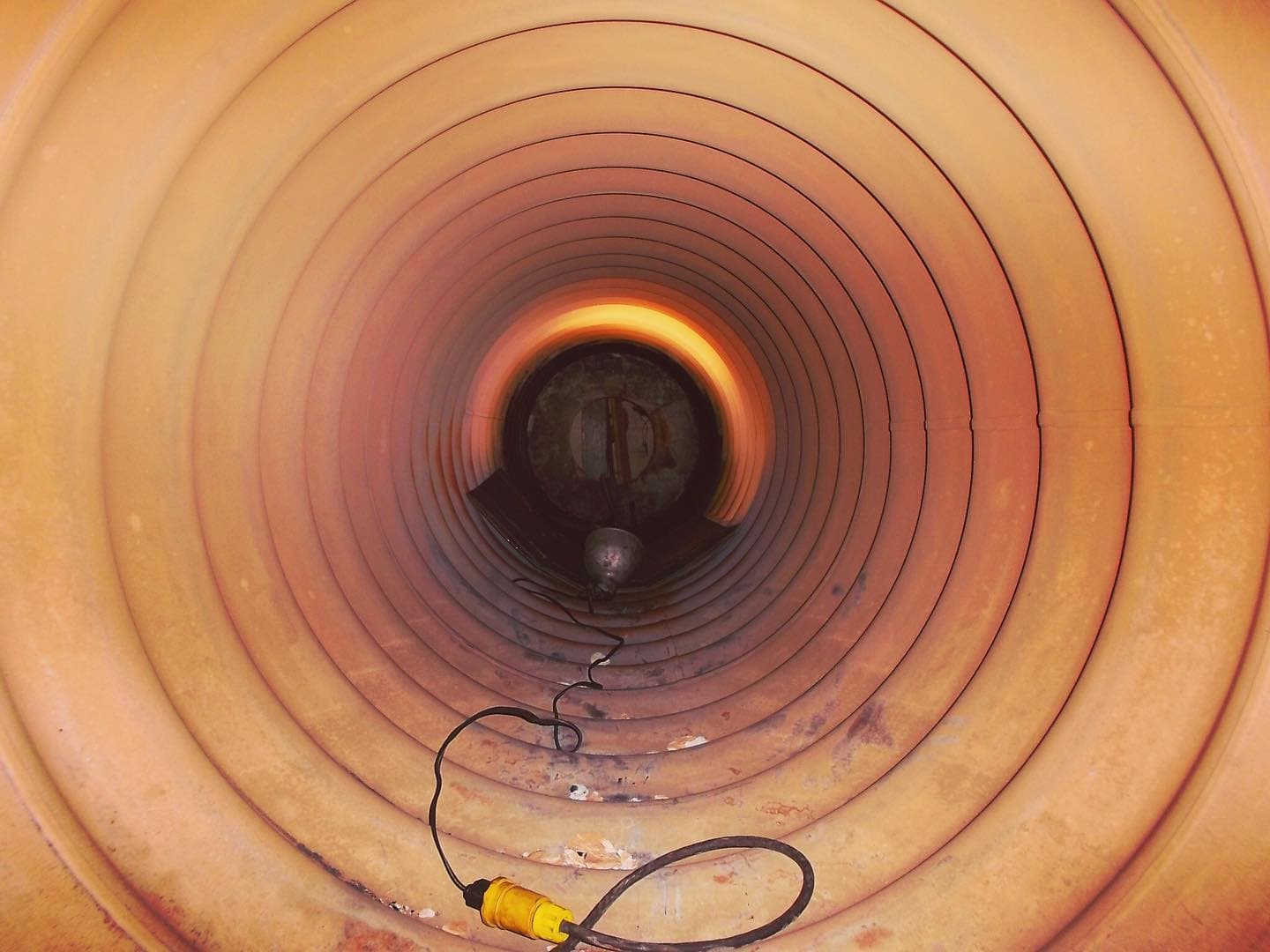
This article breaks down everything you need to know about a morrison tube—from its function and design to its importance in boiler systems.
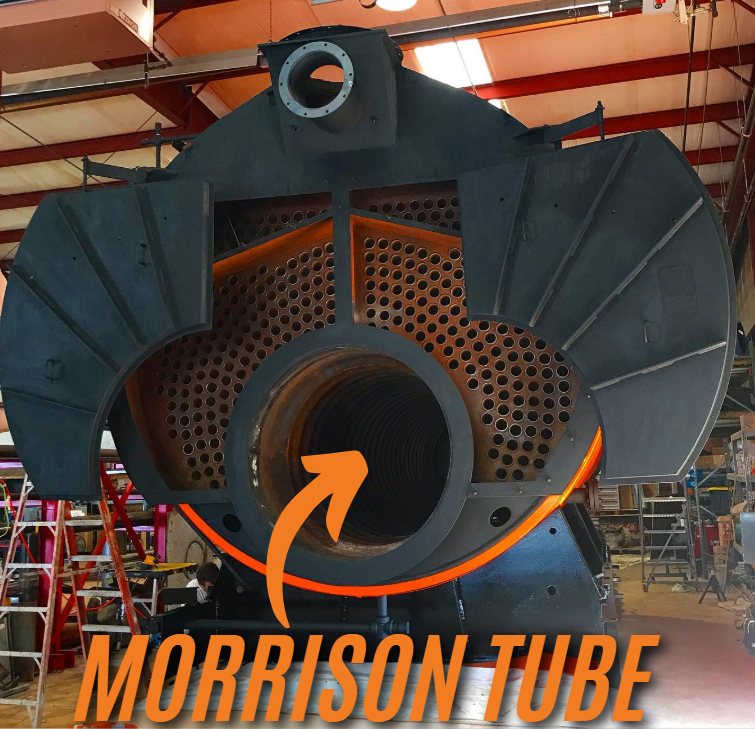
What Is a Morrison Tube?
A Morrison tube is a critical component of firetube boilers. It is a large-diameter tube that forms the main chamber where the combustion of fuel takes place. This tube is the heart of the boiler.
The burner ignites fuel, such as natural gas or oil, and produces high-temperature gases and large flames that flow through the morrison tube. These hot gases transfer heat to the water that surrounds the tube before hitting the rear wall of the boiler. The rear wall then redirect these hot gasses back through the smaller boiler tubes to continue transferring heat to the water. After the gasses have given up enough heat they are finally leave through the boiler stack as exhaust.
Key Features of a Morrison Tube
Large Diameter: The Morrison tube is wider than other boiler tubes, allowing it to accommodate the burner and facilitate optimal combustion.
Durable Material: Typically constructed from high-grade steel, it is designed to withstand high temperatures and pressures. Many morrison tubes are corrugated. The corrugated structure helps the tube endure the cyclic stresses caused by temperature fluctuations, ensuring long-term reliability and performance.
Heat Transfer: For corrugated morrison tubes, the design enhances heat transfer by increasing the surface area and promoting turbulence in the combustion gases. This turbulence increases the interaction between the hot gases and the tube walls and reduces the likelihood of localized overheating.
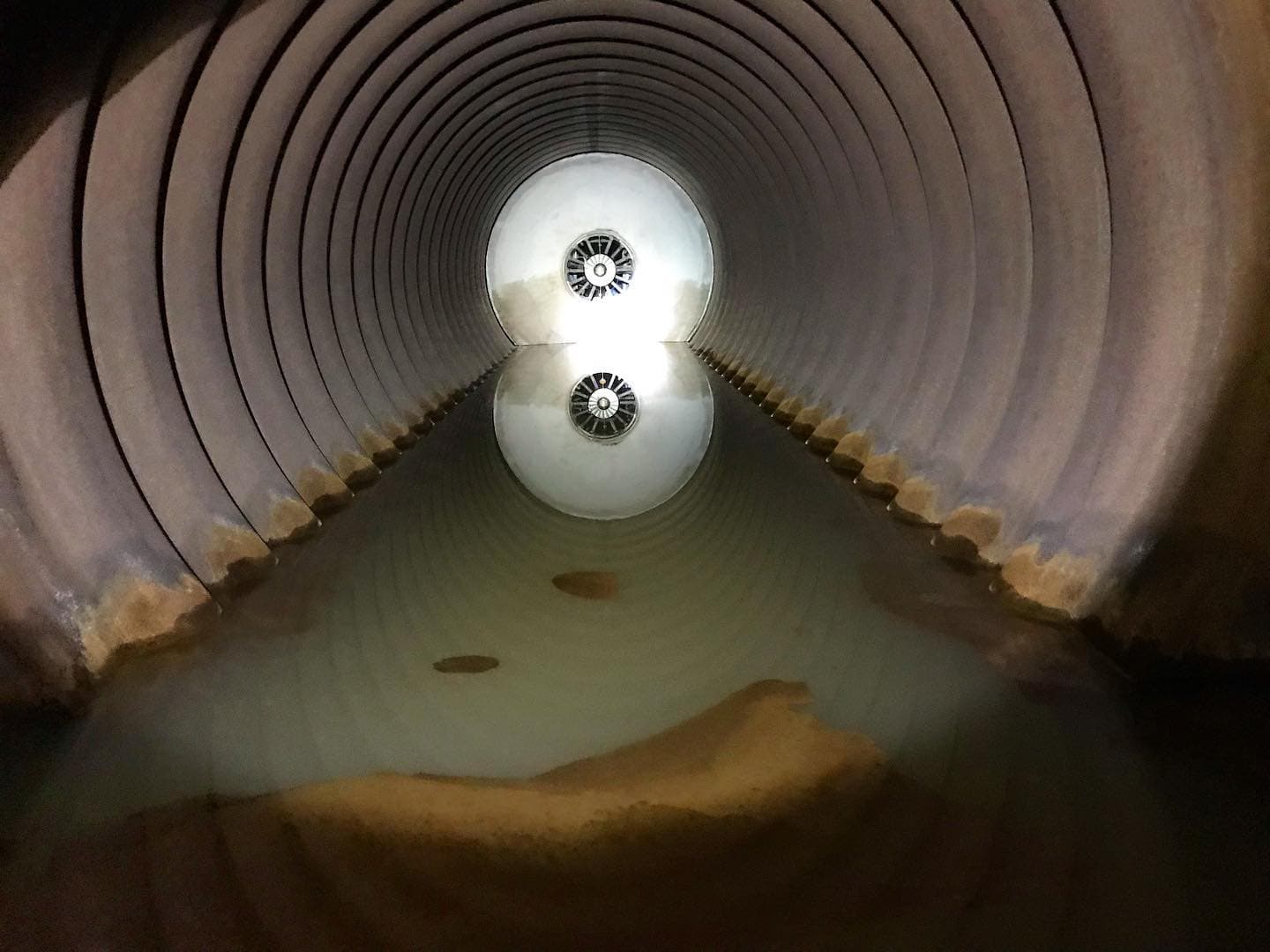
Water leak filling a morrison tube
Maintenance Tips To Keep Your System Working
To ensure the longevity and efficiency, follow these maintenance best practices:
Regular Inspections: Periodically check for signs of wear, corrosion, or cracking.
Clean the Tube: Remove soot and debris to maintain efficient heat transfer.
Monitor Combustion Efficiency: Ensure the burner is operating correctly to avoid uneven heat distribution. If your air to fuel ratio is off you can soot up the tube.